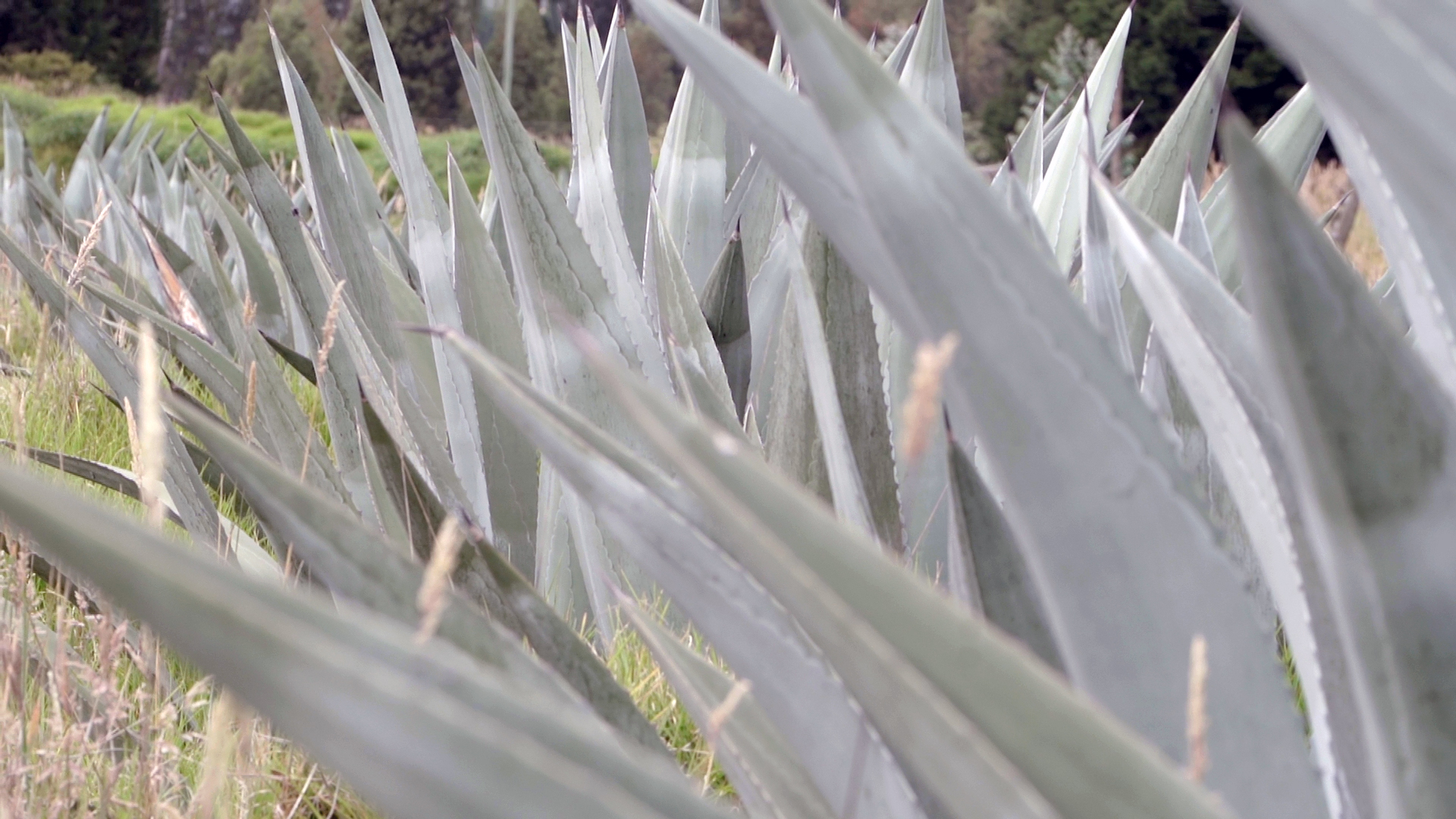
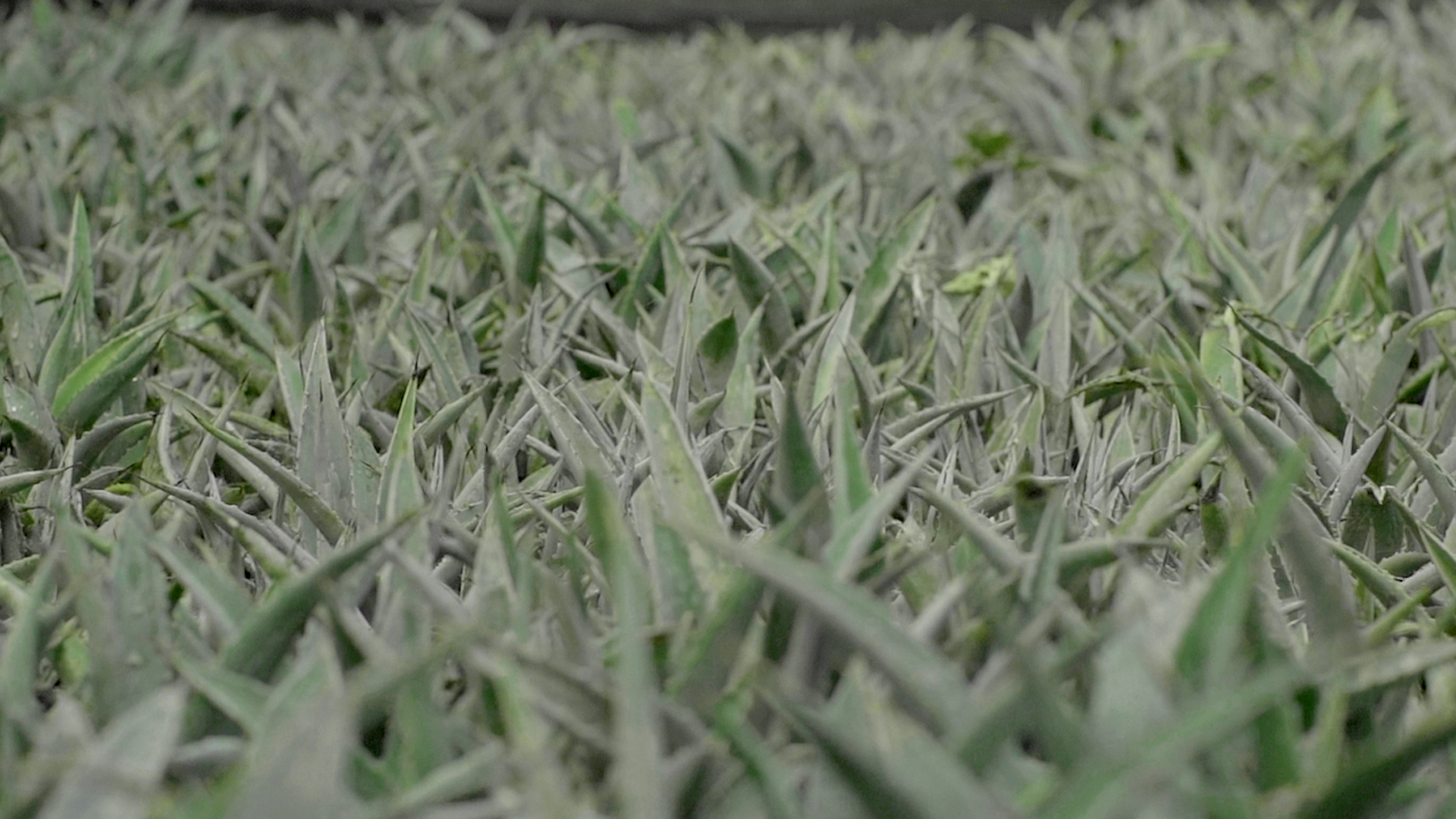
Nutrient cycle: The residues of the agave plant, as the leaves and the remains of the crop, can be used as organic fertilizer, bringing nutrients to the soil and improve its fertility. This practice reduces the dependency on synthetic fertilizers and promotes the health of the soil in the long term.
Conservation of biodiversity: The agave plant attracts pollinators and wildlife, promoting biodiversity and the ecological balance in the andean ecosystems. Flowers provide a food source for bees and other beneficial insects, while its leaves and stems provide a refuge for small animals.
Crop diversification: The agave andino (Tzawar or penco blue) enriches the diversity of crops agrifood systems and agro-forestry, known as Chakras in the Andes, offering a variety of food products, medicinal, and craft. This diversification strengthens the resilience of the agricultural system against pests, diseases and climate change.
Soil conservation: The deep roots of the agave and help to prevent soil erosion, protecting the slopes of the mountains, and preserving the quality of the water. Its ability to retain water and improve soil structure is especially valuable in hilly terrain, typical of the andean region.
Management of pests and diseases: The agave can act as a natural barrier against pests and diseases, reducing the need for chemical pesticides. Its presence on the edge of the Chakras Andean creates a favorable habitat to prevent the entry of pests, promoting biological control.
Anagavec
Anagavec
Anagavec
Anagavec
Any questions? Call us at (+593) 098 773 8955
Agriculture is important to
the future of development