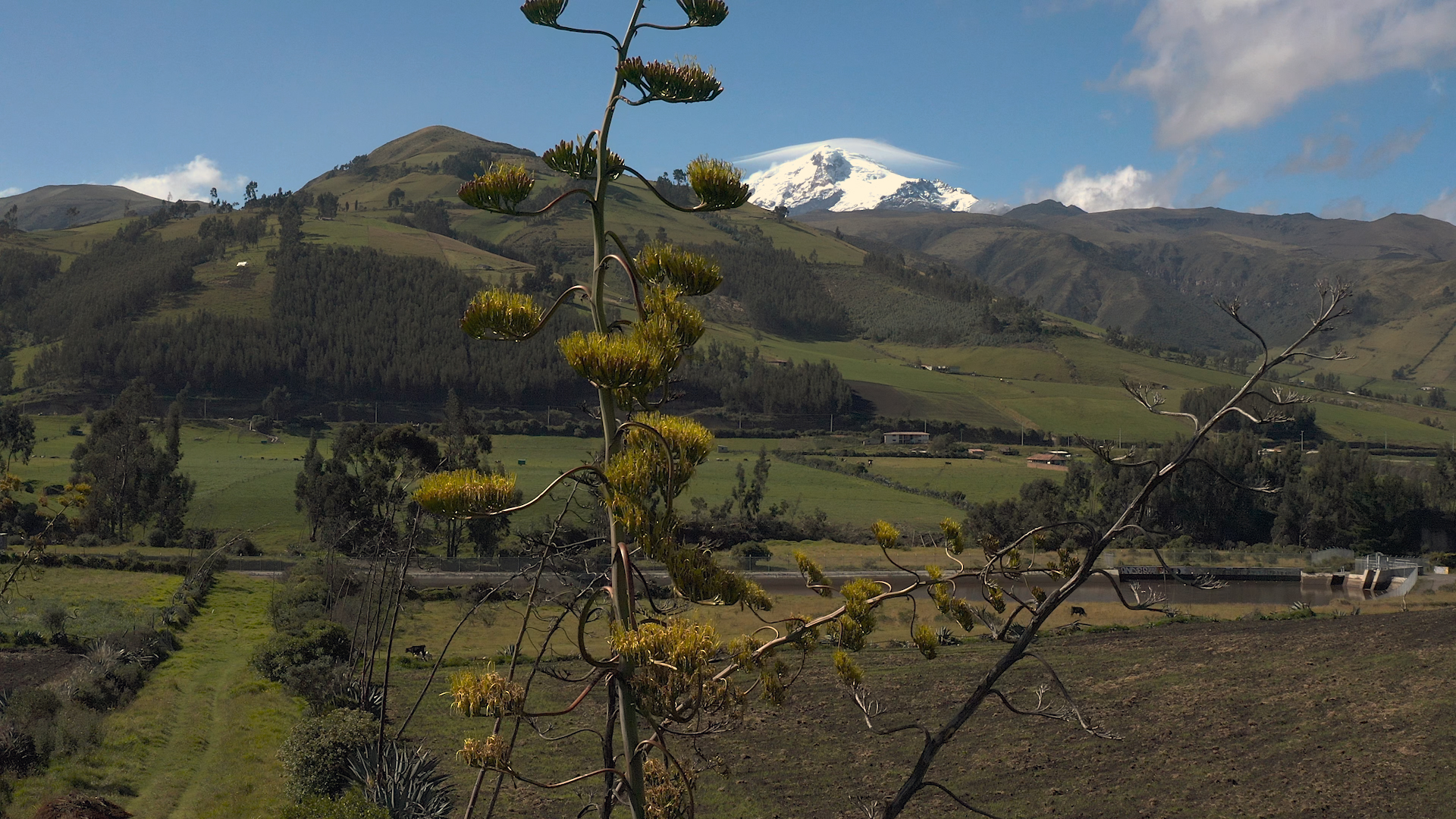
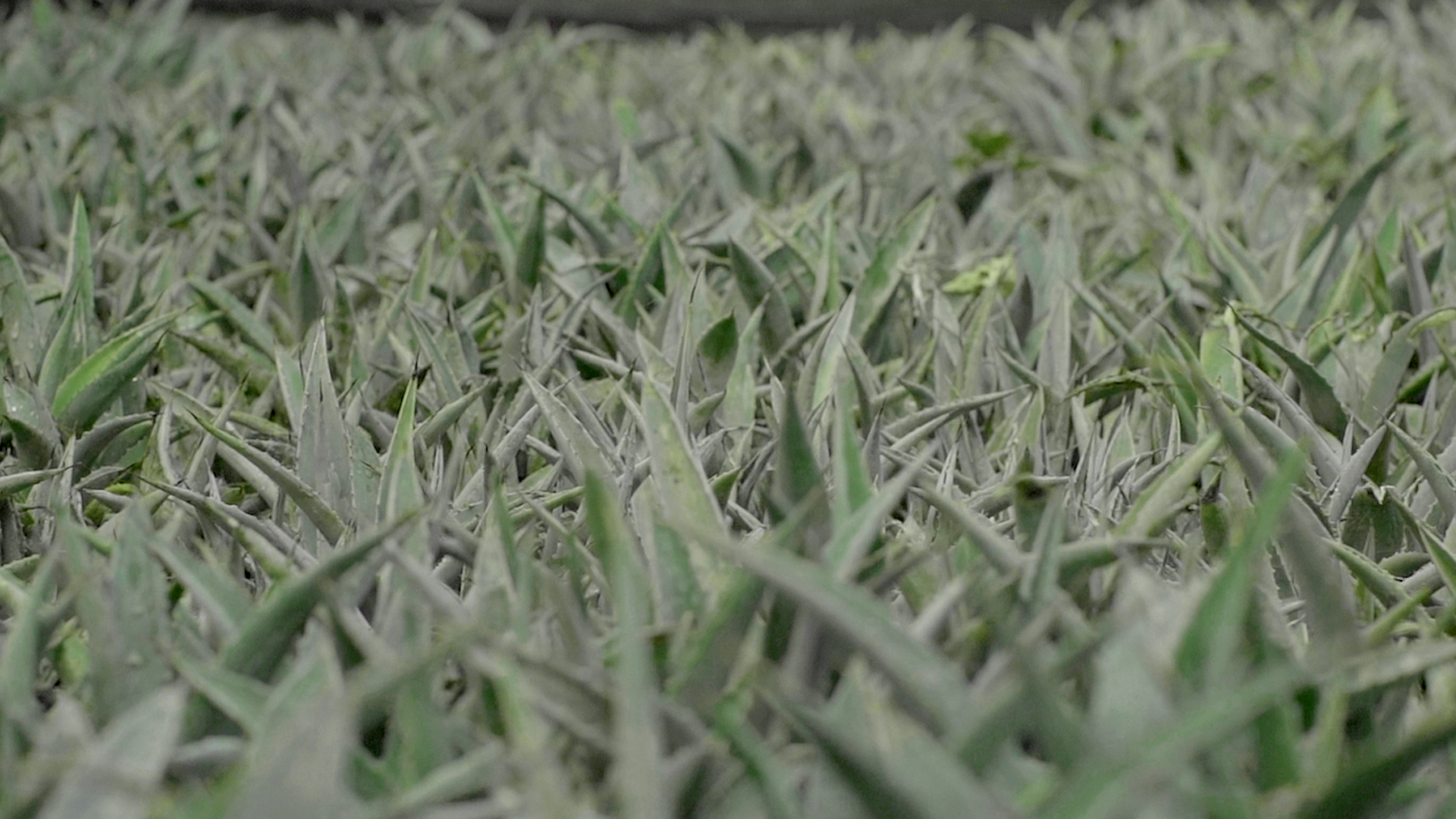
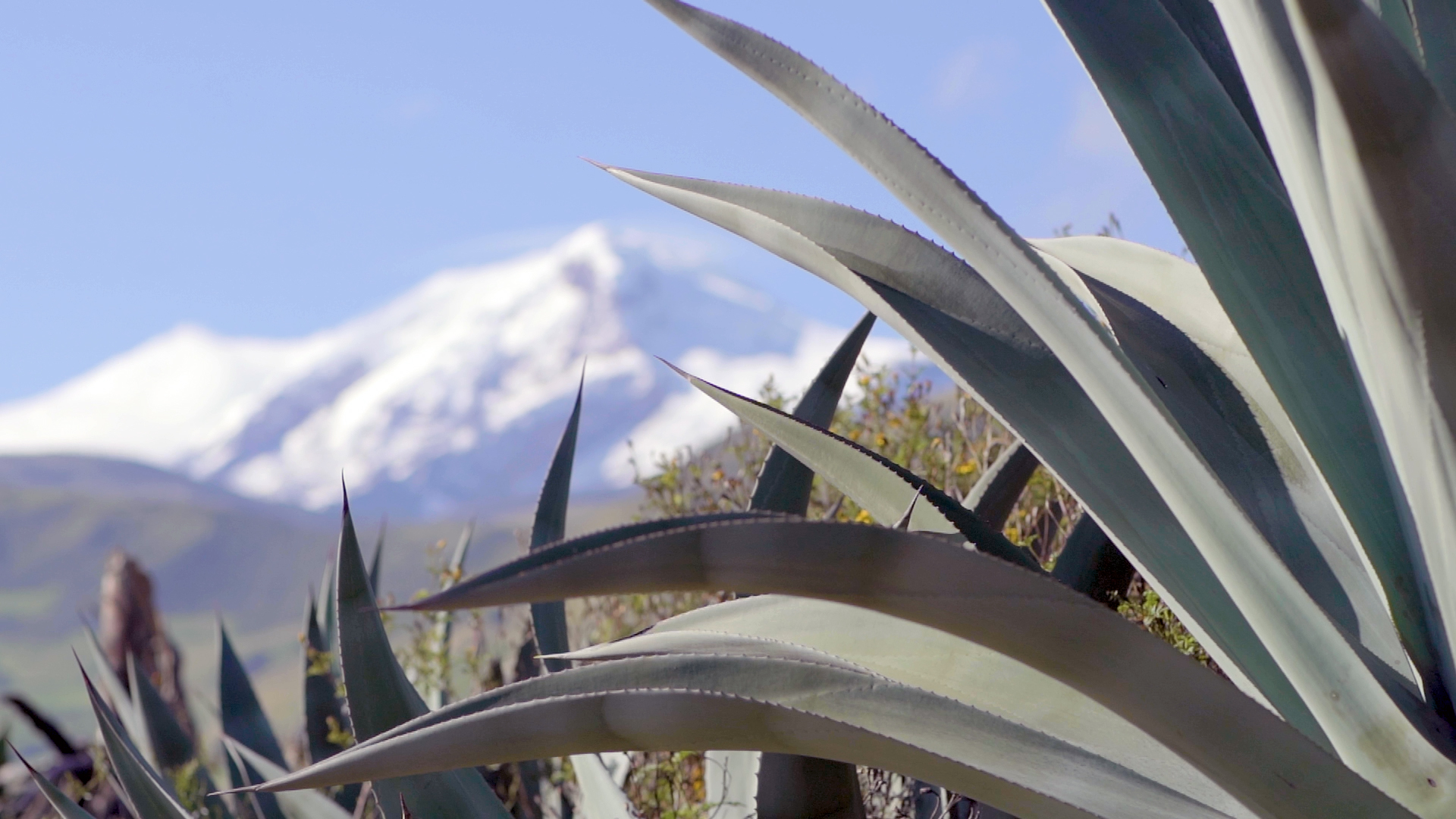
The agave andino (Tzawar or penco blue) has played a pivotal role in the history and culture of the communities of the andes since pre-hispanic times. This plant has been valued for its many uses, both practical and symbolic, and has been closely linked to the identity and mode of life of the andean peoples. In pre-hispanic societies, the agave was considered a sacred plant, associated deities, and was used in rituals and ceremonies. In addition, the agave has been an important source of raw materials for the production of fabrics, ropes, tools, food, drinks, and fermented. The historical and cultural significance of agave andino is reflected in its presence in the iconography, mythology and oral traditions of the andean communities.
Traditional knowledge
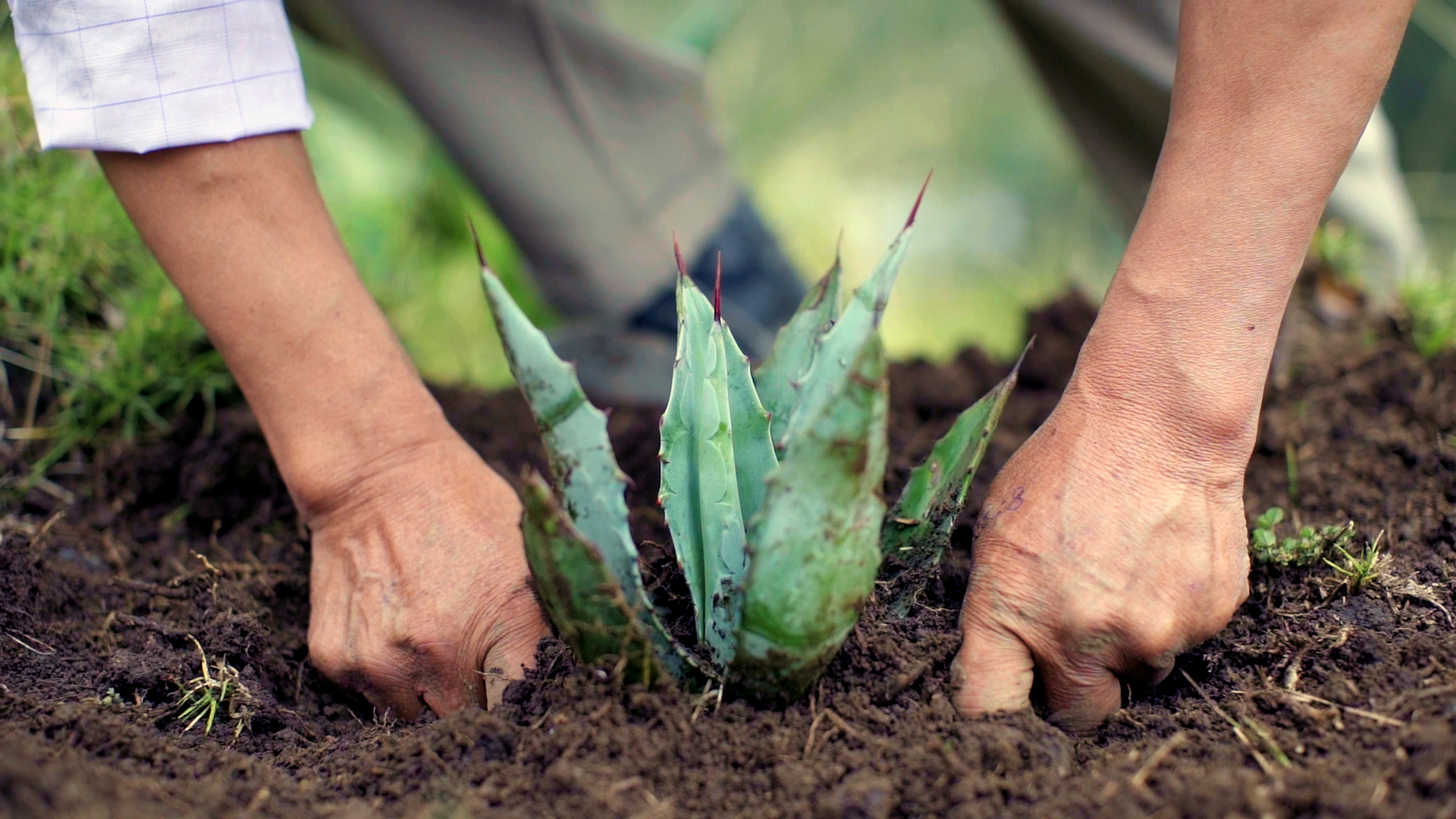
The traditional knowledge associated with the use and handling of the agave andino, are the result of centuries of interaction between the andean communities and this plant. These skills cover a wide range of aspects, from the identification of local varieties and their properties, up to the techniques of growing, harvesting, and processing. Andean communities have developed a sustainable management practices of the agave plant, such as seed selection, vegetative propagation and the rotation of crops, that have allowed the conservation of the genetic diversity and long-term use of this resource. In addition, traditional knowledge include the medicinal use of the agave plant to treat various conditions, as well as employment in the construction and craftsmanship. This knowledge is transmitted from generation to generation through the practice and oral traditions, and are fundamental to the conservation and sustainable use of the agave andean.
Anagavec
Anagavec
Anagavec
Anagavec
Any questions? Call us at (+593) 098 773 8955
Agriculture is important to
the future of development