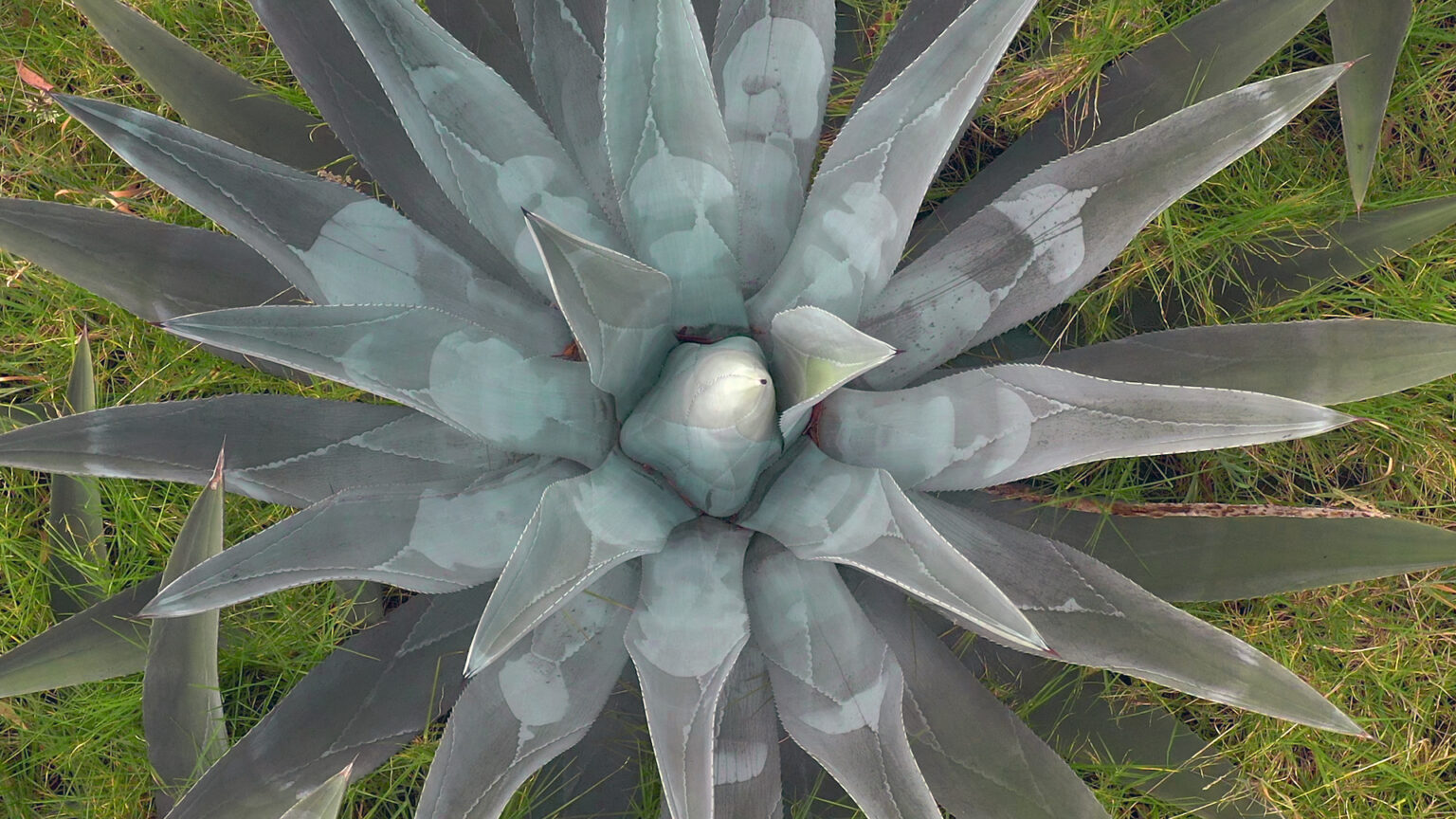
The Agave is a genus of plants monocot belonging to the ancient family of the Agavaceae which bears his name. Today it belongs to the family of the Aspargaceae. This succulent plant has its origin, ancient and complex, about 30 million years ago in Mexico and the southwestern united States. It is estimated that the genre began to diversify 18 to 23 million years ago, and subsequently spread towards the south, reaching to the Andes makes approximately 12 million years.
The geographical distribution of the agave andino (Agave americana), extends along the cordillera of the Andes, from Colombia in the north to Chile in the south. It is found mainly in the mountainous areas between 1,500 and 3,500 meters above the sea level, thrive in temperate climates to cold, with moderate rainfall to seasonal. Their ability to thrive in poor soils and withstand prolonged droughts allows you to settle in areas where other plants are struggling to survive.
It is worth noting, that Ecuador is one of the andean countries with a higher presence of agave, specifically in its ten provinces of the sierra (Pichincha, Carchi, Tungurahua, Chimborazo, Cañar, Azuay, Loja, Guayas, Bolívar and Cotopaxi).
Anagavec
Anagavec
Anagavec
Anagavec
Any questions? Call us at (+593) 098 773 8955
Agriculture is important to
the future of development